Content warning: this article contains personal stories about cancer and miscarriage.

New research released today (27 January) by RNID has exposed an overwhelming lack of NHS staff training in England on their legal duties towards people who are deaf or have hearing loss, leaving millions of adults facing significant health risks.
What our new research found
A series of Freedom of Information (FOI) requests from RNID have revealed a shocking 92% of NHS staff in England have not completed training on the Accessible Information Standard (AIS).
The standard has been in place since 2016 and sets out patients’ rights under the Equality Act and ensures the NHS meets its obligations towards the needs of people with a disability or sensory loss.
The findings follow a damning report from RNID and SignHealth, Still Ignored: The Fight for Accessible Healthcare, which revealed how the NHS is routinely failing to apply the Accessible Information Standard. As a result, over 6 million adults who are deaf or have hearing loss often struggle to get vital information about their own health.
We have been told of devastating cases including patients having not understood they are dying, that they have received a cancer diagnosis, or that they have experienced a miscarriage.
How many NHS Trusts are failing to meet AIS training standards?
We asked 212 hospital Trusts and ambulance services in England how many of their staff had completed the Accessible Information Standard training module. Of the Trusts that responded, the majority (60%) reported that under 1% of their workforce had completed the training.
A further 10 hospital trusts in England reported that 0 members of staff have completed the training. These are:
- Berkshire Healthcare NHS Foundation Trust
- Chesterfield Royal Hospital NHS Foundation Trust
- Derbyshire Community Health Services NHS Foundation Trust
- London Ambulance Service NHS Trust
- Sherwood Forest Hospitals NHS Foundation Trust
- South Central Ambulance Service NHS Foundation Trust
- Tameside and Glossop Integrated Care NHS Foundation Trust
- The Walton Centre NHS Foundation Trust
- University College London Hospitals NHS Foundation Trust
- University Hospitals Dorset NHS Foundation Trust
Of the Trusts that responded, just 11 reported having workforces where 50% or more staff have completed the training module.
The impact of inaccessible healthcare
The Accessible Information Standard is in place to ensure that NHS and adult social care services offer extra support to meet the accessibility needs of people with sensory loss – support they are required to offer by law. This includes offering alternatives to telephone calls, so people who are deaf or have hearing loss can book appointments or receive test results. It also includes providing communication support, such as a qualified BSL interpreter, so patients can understand appointments and procedures.
However, according to our Still Ignored report, the NHS’s failure to provide inaccessible healthcare means that:
- almost 1 in 10 people who are deaf or have hearing loss have avoided calling an ambulance or attending A&E
- 1 in 4 have avoided seeking help for a new health concern
- 7 out of 10 say they have never been asked about their communication needs
Real stories of the harm caused
A female sign-language user, who wished to remain anonymous, shared an account of visiting hospital in an emergency. She said:
I went into A&E for blood loss, but no interpreters turned up after asking several times. I went through so many tests and wasn’t sure what it was all about. I was given medication, but I refused, because I didn’t know why I needed them. The staff seemed gobsmacked, so I took it and was not sure how serious it was.
The next thing, a nurse took me into a bereavement room and sat me down with a leaflet that said ‘miscarriages’. I was in shock. They had not explained what the test was for. It was a massive misunderstanding and lack of communication.”
Pip Lee, a hearing aid user and lipreader, said:
When I went in to see the consultant, he refused to take off his facemask, so I couldn’t hear anything he was saying. I left only knowing that I would need an MRI of my brain, but when the post-appointment letter came, I was shocked to read it was to look for a possible tumour associated with my hearing loss and tinnitus.
Because the medical staff did not meet my communication needs, I missed that important information.
The experience was up there as one of the most stressful, frustrating and patronising appointments I’d ever had.”
Read Pip’s full story.

What’s stopping NHS staff from doing AIS training?
According to our research, NHS staff blame lack of training and time, plus poor IT systems and processes as major factors behind failings.
Worryingly, only 32% of NHS staff say they are aware of the Accessible Information Standard, and just 24% say they can always meet the information and communication needs of patients who are deaf or have hearing loss.
Staff who do not feel confident in meeting these needs face four main barriers:
- lack of training (34%)
- lack of time or capacity in workload (32%)
- lack of standardised processes (31%)
- lack of functionality of IT systems (30%)
An update to the Accessible Information Standard was published in July 2025, but RNID has previously said the update does too little to ensure the NHS will follow it.
Why change is urgent
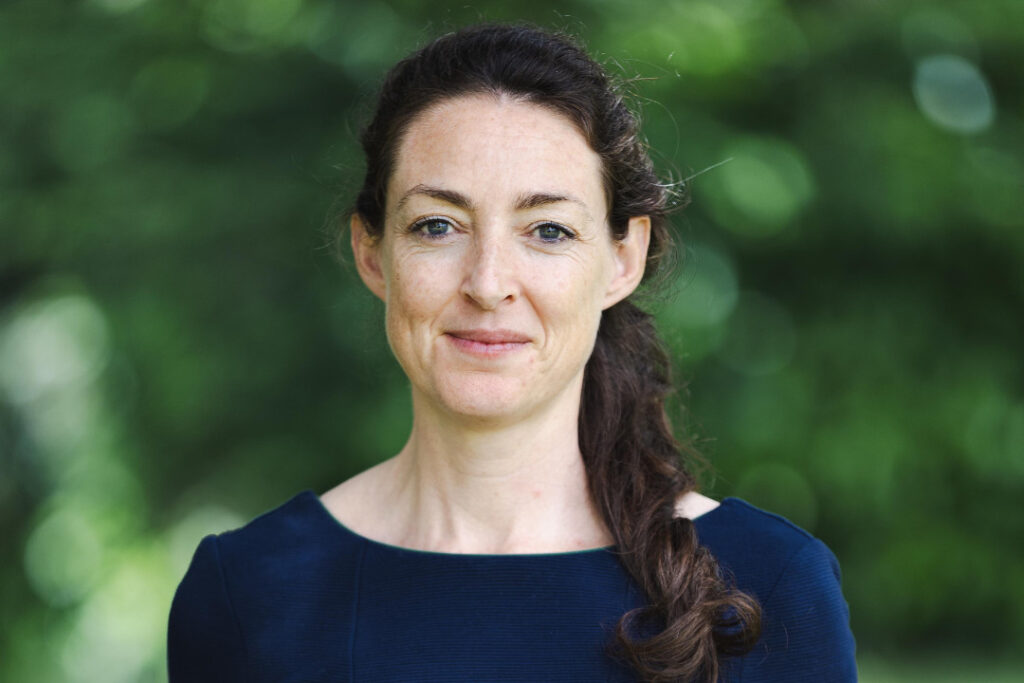
Dr Natasha Wilcock, a deaf doctor who works in palliative care, said:
As a doctor, it’s clear that staff want to be able to communicate with deaf patients, but they have not had the right training to allow them to do so. This directly leads to deaf people experiencing poorer healthcare. Communicating effectively with deaf patients is not a fun, fluffy extra, but actually this can save lives, prolong lives and give patients better quality of life.”
Crystal Rolfe, Director of Health at RNID, said:
Deaf people and those with hearing loss shouldn’t have to think twice before calling an ambulance or wonder if they’ve properly understood a diagnosis they’ve been given.
Every day, healthcare in this country is letting people down because of an unequal and inaccessible service and this simply must change.
We call on the Government to take this issue seriously and make AIS training mandatory, and ensure the NHS is a service that meets the needs of everyone.”
What needs to change now
We are calling for urgent action from the Government to address the issue and for the Accessible Information Standard training module to be made mandatory across the NHS.
Our other key recommendations to meet the needs of people who are deaf or have hearing loss, include:
- DHSC (Department of Health and Social Care) to ensure that work to improve the NHS Accessible Information Standard (AIS) is properly resourced and prioritised, and lead on a transformation plan to ensure that people with communication needs can access the healthcare they need.
- The AIS to be enforceable for the NHS, through the strengthening of legislation on NHS information standards.