
Thousands of people who are deaf or have hearing loss are still being denied equal access to healthcare in Wales, but change could finally be on the way.
The Welsh Government has published updated Accessible Communication and Information Standards in Healthcare. These standards set out what health service providers should do to ensure patients who are deaf, have hearing loss, or other communication needs, can access healthcare fairly.
This is a positive step towards ensuring deaf people with hearing loss experience equal access to healthcare.
What are the Accessible Communication and Information Standards in Healthcare?
The Standards were originally introduced in 2013, but in 2022, RNID raised concerns with Welsh Government that deaf people and people with hearing loss in Wales were still facing persistent barriers to health care.
New Standards have been published to address these barriers, and they require every Health Board and NHS Trust in Wales to have a clear plan, led by a senior officer, to deliver these Standards and regularly report on progress. These Standards require all healthcare organisations to have a policy for meeting the communication needs of patients with sensory loss.
Why this matters
We estimate that at least 500,000 people in Wales have a degree of hearing loss that requires support or adjustments when accessing healthcare. These people have the same right to healthcare as anyone else, but too often communication barriers get in the way.
Our recent report, Still Ignored: The fight for accessible healthcare, revealed widespread failings. NHS Wales has repeatedly fallen short of the standards since they were first introduced, leaving people without the support they need to book appointments, understand treatment plans, or even hear their name called in waiting rooms.
How inaccessible healthcare affects people
When communication support isn’t provided, it can have devastating effects. Our research found:
- 73% of people had never been asked about their communication needs in a healthcare setting.
- Almost one in 10 avoided calling an ambulance or going to A&E because of the barriers they faced.
- 18% said a health condition was made worse because of inaccessible communication.
- 11% felt their health was put at risk.
A 72-year-old male patient from North Wales, said:
“There have been times when I’ve been sitting in a long hospital corridor and a nurse has come out and shouted a name. If I’m at the wrong end of the corridor, I can’t hear them.”
What needs to change
The revised standards are stronger than before. They now include measures to monitor whether NHS Wales is delivering on its commitments. But this is only the start.
RNID is calling for:
- Robust oversight from Welsh government – so progress is properly tracked, and failures are acted on quickly.
- Mandatory deaf awareness training for NHS staff – so all healthcare professionals know how to meet patients’ communication needs.
- People with lived experience at the heart of change – so solutions are shaped by those most affected.
Crystal Rolfe, Director of Strategy at RNID, said:
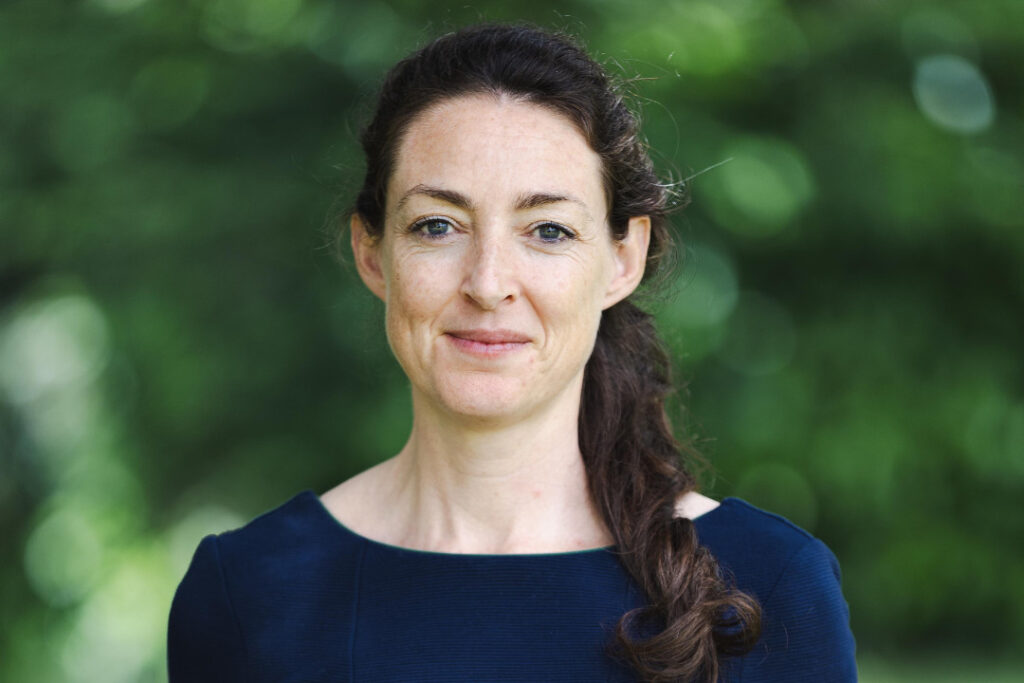
“Everyone deserves equal access to healthcare, but for too long, thousands of people in Wales have been failed by NHS services because of communication barriers.
It is essential that the Welsh Government oversees robust implementation of these standards.”
How you can help
You can play a vital role in making healthcare accessible for all:
- Share your story with us – if you’ve faced barriers in healthcare, your voice helps show why change is urgent.
- Join our fight for accessible healthcare campaign – too many people are still being ignored when it comes to their communication needs not being met. Help us raise this issue with the responsible minister, Stephen Kinnock.
- Make your needs clear – download and fill in our Health and Care Communication Card to make sure your communication needs are understood every time you use NHS services.
- Sign up to our Campaigns Network to get updates and find out how you can get involved in making change happen.
Together, we can make sure that people who are deaf or have hearing loss in Wales are no longer still ignored.